Substack introduces ‘private Substacks’ that readers can request to subscribe to
Newsletter platform Substack announced today that it’s introducing several new features, including private Substacks. A private Substack is a publication that you can host alone or readers can request to subscribe to read your posts. Writers can choose to approve or decline each subscription request.
In a blog post, Substack explained that private Substack accounts work similarly to private Instagram profiles. A private Substack can be used to keep in touch with friends, build communities of interest and test the waters for a new publication, the company says.
Users can change their Substack from public to private at any time by navigating to their settings and selecting “Private” in the “Import” section. Once a users make their publication private, readers won’t be able to see any posts. When a reader requests to subscribe to a Substack, the writer will receive an email notification with their details. You can see your requests on your Subscribers page. If you approve a request, the reader will be automatically subscribed and sent a Welcome email.
The launch of the new feature comes as Substack has been hoping to capitalize on Twitter’s upheaval following Elon Musk’s takeover. The company openly targeted Twitter’s user base in the past few months and recently threw its hat into the ring as a more direct competitor with the launch of Substack Chat, which allows writers to communicate directly with their loyal readers right in the Substack mobile app.
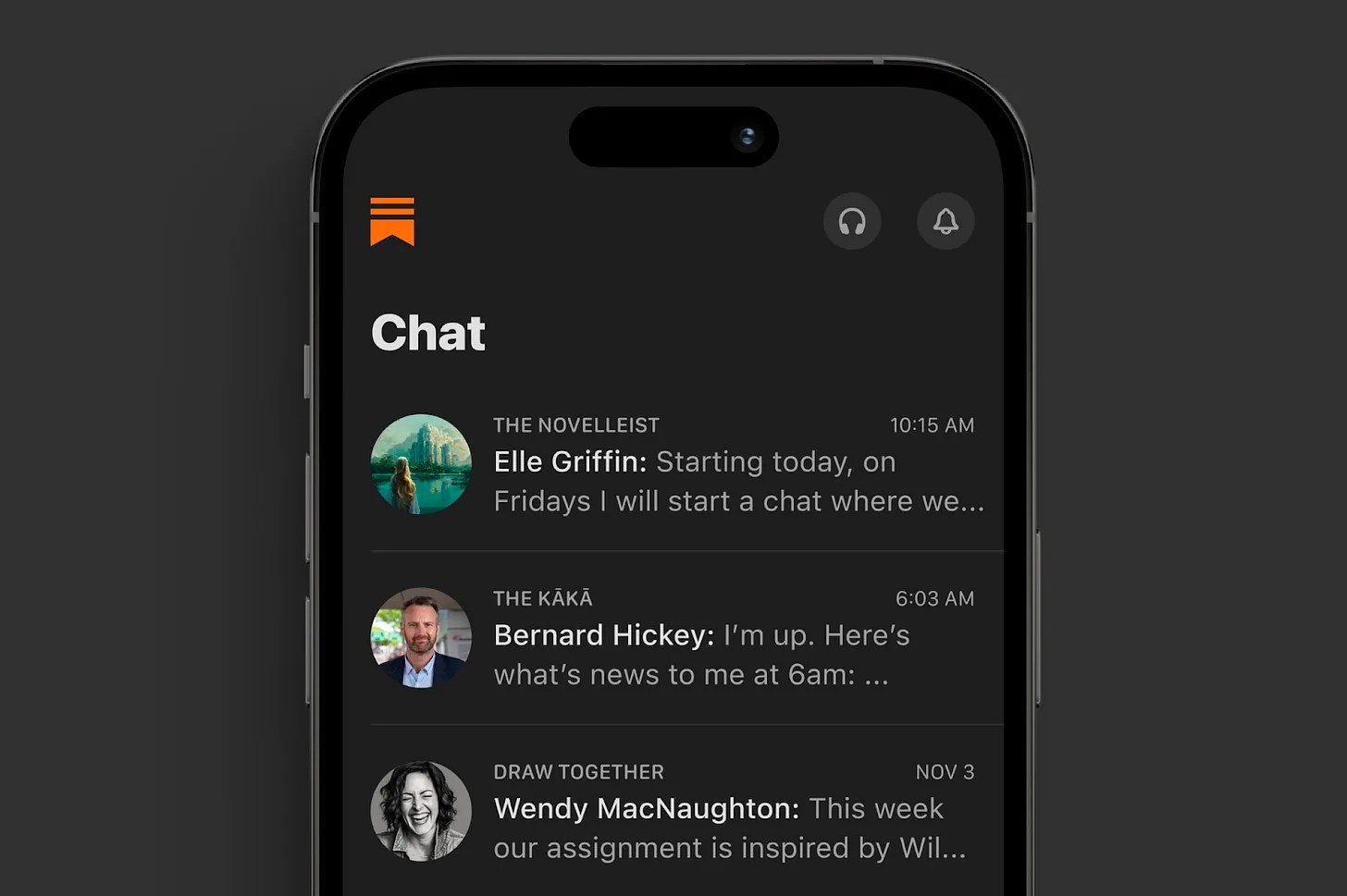
Image Credits: Substack
Now, the company is somewhat inching further into the social media giant’s territory by offering private Substacks. Twitter has offered the ability to make your account private for many years now, and also offers Twitter Circle, which allows you to tweet to a smaller audience of your choice. With its Chat feature, Substack was also taking on other online communities like Discord and Slack, which also both offer private settings. Substack’s new offering could be seen as a way for the company to bring its platform in-line with the companies it’s looking to compete with.
As for the other new Substack features rolling out today, the company is launching new updates for its aforementioned Chat feature. The new updates are designed to make it easier to start conversations with existing subscribers. Now, when you share a new post, podcast, or video, you can instantly start a conversation in Chat by automatically sharing the link with a caption in your chat.
For users with more than one Substack publication, the company is introducing a new feature that lets them easily toggle between publications without have to remember multiple logins and passwords. Another new feature lets users “duplicate” posts, which allows them to easily re-use templates instead of reformatting each post from scratch.
The company is also introducing search improvements, as a search button is now prominently featured on the web in the top right corner. When searching keywords, the top three relevant posts will appear. Readers can now also search keywords to find posts, publications, and people from their web inbox. In addition, math and science writers can now embed math equations into any post using LaTeX.
Substack introduces ‘private Substacks’ that readers can request to subscribe to by Aisha Malik originally published on TechCrunch
from TechCrunch https://ift.tt/WgJ8RAr
via https://ift.tt/Pdnq0HJ


Comments
Post a Comment